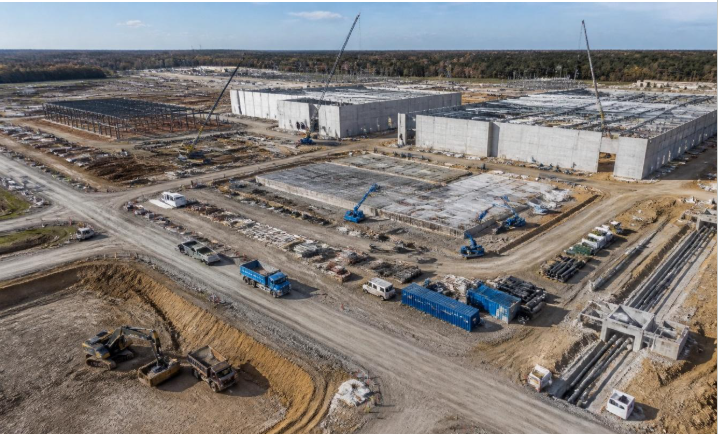
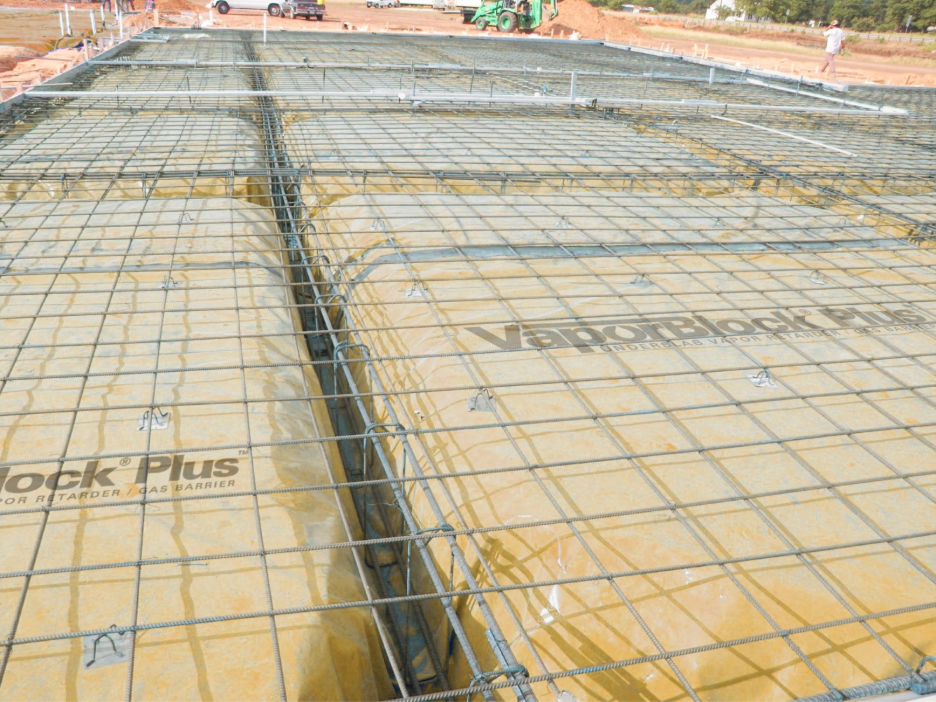
Underslab Vapor Barrier Installation: Choosing EVOH vs. Standard Barriers
This guide EVOH and standard vapor barriers to protect concrete slabs from moisture and support long-term durability.
July 24, 2026
Read More


Closure does not always mean a landfill has stopped changing. In an elevated temperature landfill (ETLF), reactions within the waste mass can produce heat and alter gas and leachate conditions after disposal has ended. For operators and public agencies, those changes can complicate closure, post-closure care and environmental protection.
The challenge is not simply selecting a cover. It is recognizing when landfill conditions depart from expected trends, assessing the risks and coordinating the cap with gas collection and monitoring systems. A geomembrane or gas barrier can support site-specific containment objectives, but it does not cure or guarantee resolution of an ETLF condition.
An ETLF is a landfill where elevated temperatures indicate unusual heat-generating activity within the waste. Landfills naturally change over time as waste decomposes, producing gas, leachate and settlement. An ETLF concern arises when temperature patterns and related site conditions depart from the expected trend.
Do not use one temperature value as a universal definition. Assess measurements in context, including their location, persistence and relationship to other conditions. The Viaflex webinar presentation documents a Chiquita Canyon gas measurement above 131 degrees Fahrenheit as an example, not as a universal threshold.
The EPA’s ETLF strategy examples describe indicators and response approaches at multiple landfill sites. The examples reinforce the need to evaluate temperature alongside field observations and system performance.
Track changes across the landfill rather than treating each observation as an isolated issue. The Viaflex presentation identifies these potential warning indicators:
Document the location, timing and progression of each observation. Compare well temperatures and performance over time. Investigate settlement patterns, leachate conditions and odor reports in relation to the gas system and other monitoring data. Escalate unexplained or worsening trends through the site’s response procedures and applicable reporting channels.
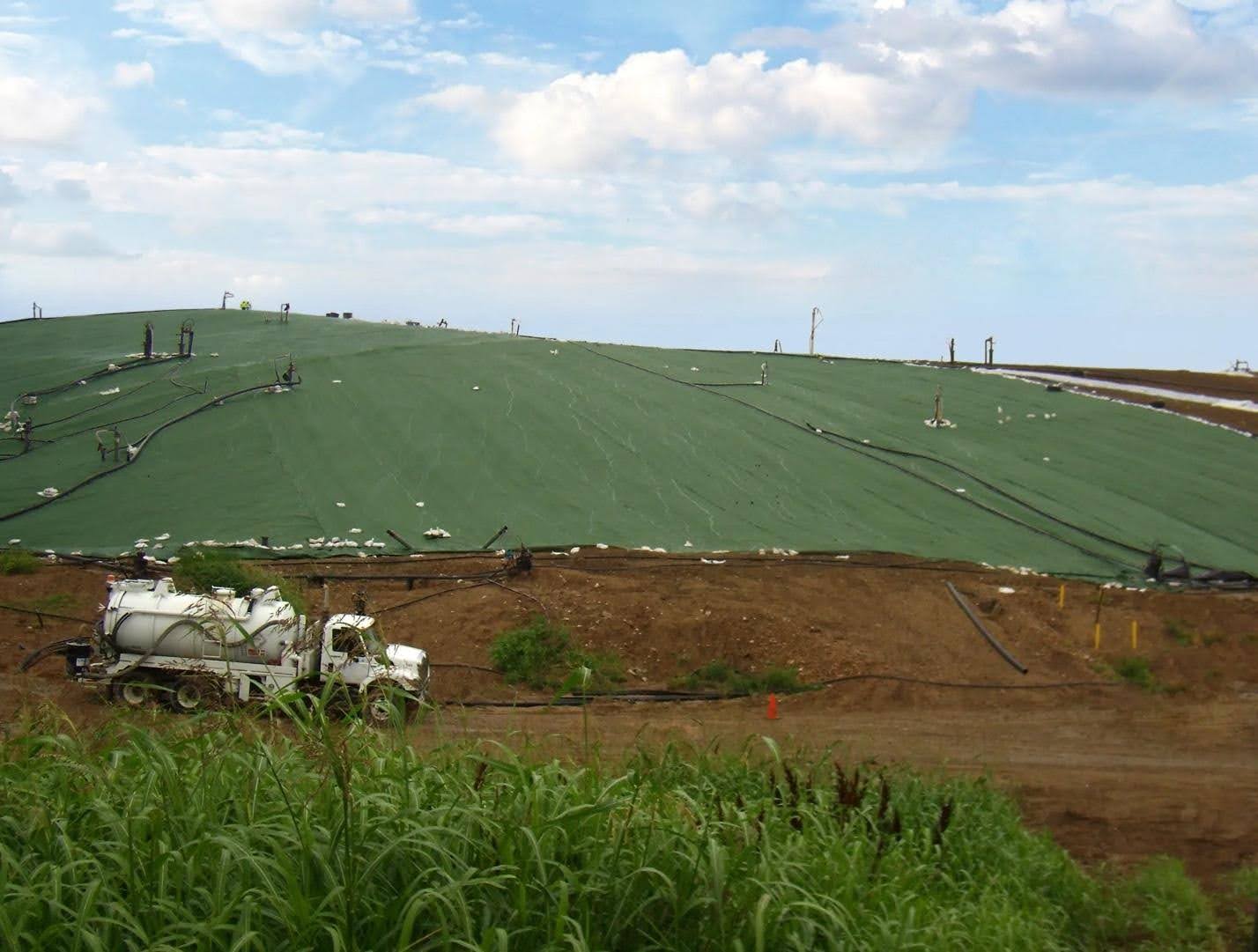
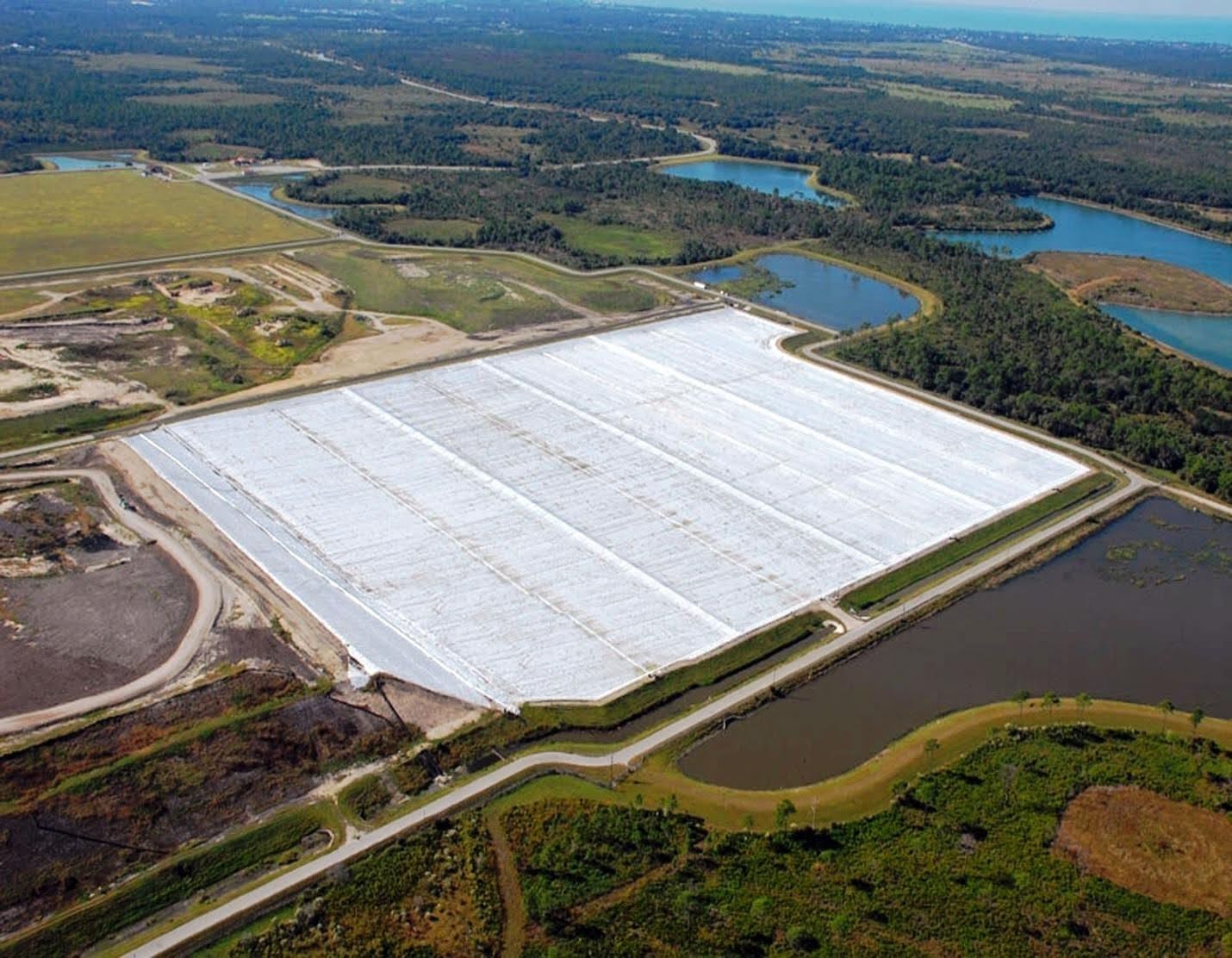
Viaflex asset showing a geomembrane landfill cover and associated infrastructure. The image is illustrative and does not depict Chiquita Canyon Landfill.
A mixture of liquids and solids in a landfill can participate in chemical reactions that generate heat. However, the specific cause of an elevated-temperature event must be established through site investigation. The Viaflex presentation notes unknown industrial waste at its documented example. Do not treat that observation as proof of cause at other sites or as a confirmed explanation for every ETLF.
An ETLF can create operational and environmental risks, including:
These conditions can interact. Settlement may affect cap integrity or damage wells. Damaged extraction infrastructure may reduce collection performance. Changes in leachate may create additional handling and management needs. Monitor these systems together and coordinate engineering, operations and compliance teams.
The Viaflex team’s October 21, 2026 webinar on Understanding Elevated Temperature Landfills presents Chiquita Canyon Landfill in Castaic, California as a case reference. The presentation lists ETLF status from 2024 to the present, describes the site as an inactive municipal solid waste landfill and records a 639-acre area with a depth of 270 feet. It notes gas measured above 131 degrees Fahrenheit along with sudden waste settlement, damaged or destroyed gas extraction wells, strong leachate and noxious odors.
EPA’s Chiquita Canyon Landfill page identifies the facility as a 639-acre municipal solid waste landfill and documents a subsurface elevated-temperature event beginning around May 2022. EPA’s page provides updates on the site’s response and oversight. Review it alongside the Viaflex presentation for context; attribute site-specific characteristics to their respective sources.
The example demonstrates why operators should monitor for patterns rather than rely on a single indicator. It also shows why a closure cap, gas collection system and monitoring plan must be considered as connected parts of the site response.
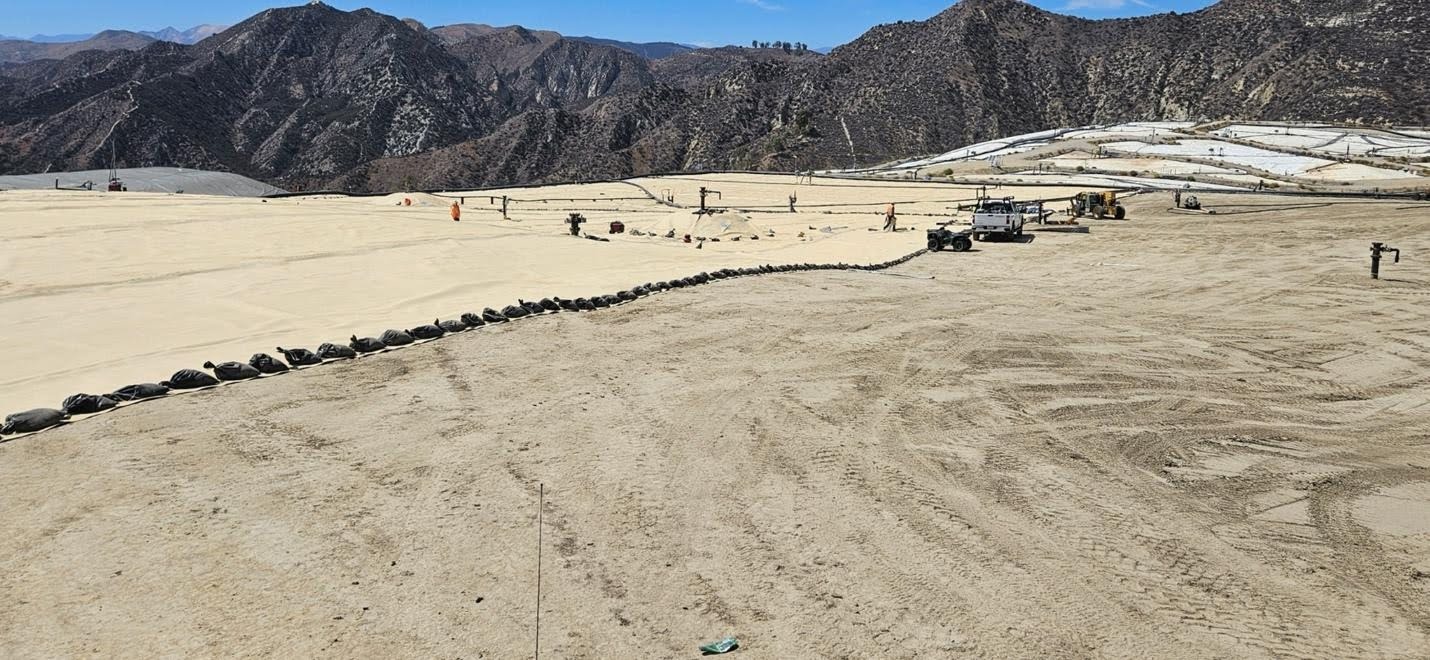
Viaflex large-scale geomembrane installation for the Chiquita Canyon Landfill cover.
A soil-only cap and a composite cap provide different barrier configurations. A soil-only cap relies on engineered soil layers to meet the approved design objectives. A composite system can include a geomembrane along with protective, drainage and soil components. Where gas control is a design driver, an EVOH gas-barrier layer may be considered as part of a project-specific composite system.
An EVOH geomembrane cap such as Absolute Barrier X-Series may help limit gas or odor migration when the material and system are selected for the site conditions. EPA’s Chiquita Canyon page documents a requirement to expand the geomembrane cover using a less permeable EVOH geomembrane. That is a site-specific regulatory action, not a universal specification for landfill closure.
A cap does not stop an underlying reaction or replace gas extraction, leachate management or monitoring. Design the cover alongside the wells, penetrations, collection components and inspection plan. Consider settlement, access for repairs and how teams will continue to monitor areas of concern. Avoid treating the cap as a stand-alone solution or assuming that a completed cover confirms subsurface conditions have stabilized.
Use the site’s approved plans and regulatory requirements to determine the response. The Viaflex presentation describes these management and mitigation strategies:
Closure design, cover selection and monitoring must reflect site-specific engineering, approved plans and applicable regulations. Engage the project engineer and regulators before changing the design or monitoring program.
Viaflex installation image showing geomembrane field work. Project methods and material selection depend on site-specific design.
Viaflex supplies readymade and custom films and barriers for geomembrane and gas-control applications. Its product range includes HDPE, LLDPE, flexible LLDPE and reinforced EIA geomembranes, including HydraLine HD-Series, HydraLine LL-Series, HydraFlex PRO HP-Series and X-Series. Review product selection against the project specifications, anticipated exposure, cover configuration and engineering requirements.
Viaflex also brings EVOH barrier film expertise, including VaporBlock Plus as an example of an EVOH-based barrier film. VaporBlock Plus is an underslab barrier; do not assume that an underslab product is suitable for a landfill cap without project-specific review. Visit Viaflex Geomembrane for application and product information.
The table below summarizes the product families and capabilities that may be considered for ETLF-related containment and cap work. Final selection depends on the approved design and project-specific engineering review.
Custom fabrication in a controlled environment can reduce the amount of field seaming required. Through Colorado Lining International, a Viaflex company, Viaflex provides certified geomembrane installation, inspection and maintenance, including work by IAGI Certified Welding Technicians. Viaflex is headquartered in Sioux Falls, South Dakota and is ISO 9001:2015 certified.
An ETLF is a landfill where elevated temperature patterns point to unusual heat-generating activity within the waste. Confirm the concern using site-specific temperature trends and related indicators rather than a single universal threshold.
No. Treat an elevated measurement as an indicator that requires investigation. Compare it with historical readings, nearby wells, settlement, leachate, odors and extraction-system performance.
No. An EVOH geomembrane cap can support gas-barrier objectives when selected for the project, but it does not eliminate an underlying reaction or replace monitoring and gas collection.
There is no universal cap selection. Base the decision on site conditions, approved closure plans, applicable regulations and engineering review of the cover and collection systems.
Elevated landfill temperatures require coordinated monitoring, engineering and regulatory attention, especially as more sites reach capacity and enter closure. Review Viaflex’s geomembrane products and contact Viaflex through the contact portal to discuss project-specific film, barrier, fabrication and installation needs.