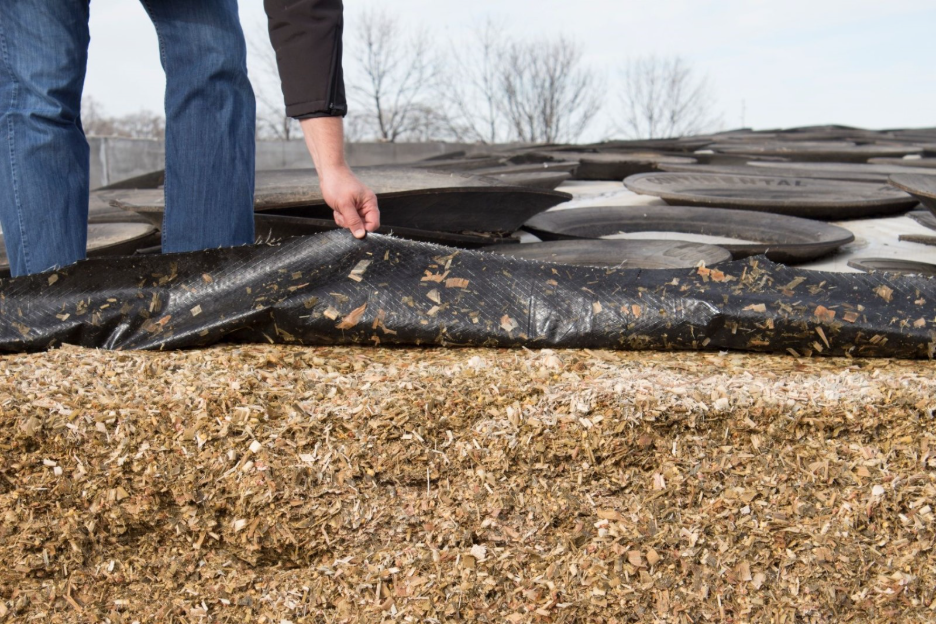
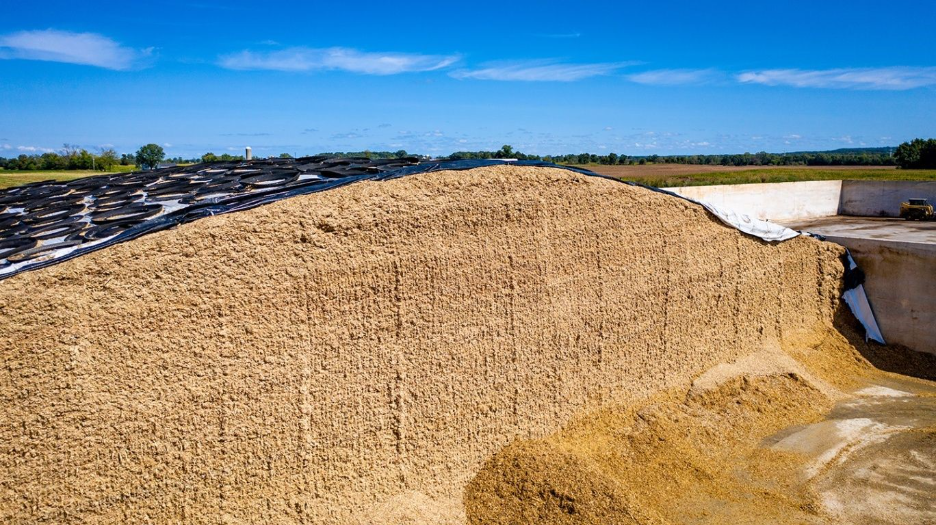
High Winds and Cover Uplift: Open agricultural terrain allows wind speeds to accelerate across bunker walls and drive-over piles. When wind passes over an improperly anchored silage cover, low-pressure zones generate lift forces that pull the film away from the forage mass. Once air penetrates beneath the cover, billowing occurs. Flapping stresses seams, enlarges anchor points and tears film around tires or gravel bags. Preventing wind uplift demands rigid edge trenching, continuous anchoring systems and high tear-resistance films.
Extreme Temperature Changes and UV Exposure: Midwest summers bring intense solar radiation combined with ambient temperatures exceeding 90 degrees Fahrenheit, while winter temperatures plunge well below zero. This thermal swing causes polyethylene polymers to expand and contract repeatedly. Ultraviolet radiation degrades standard polymer chains within months, causing embrittlement and catastrophic cracking. High-performance agricultural covers utilize specialized UV-inhibitor packages designed to resist solar degradation across multiple seasons.
Rain, Snow and Freeze-Thaw Conditions: Heavy snowfall, spring rains and frequent freeze-thaw cycles challenge cover permeability and drainage. Water pooling on top of a silage pile adds massive dead weight, stressing seams and stretching the film. When trapped water freezes, ice expansion widens micro-fissures and sharpens puncture points. Films must maintain high tensile strength and puncture resistance to survive seasonal moisture loads without failure.
Mechanical Stresses and Site Hazards
天候に加え、農場での物理的な接触も、被覆の耐久性に差し迫った脅威をもたらします。
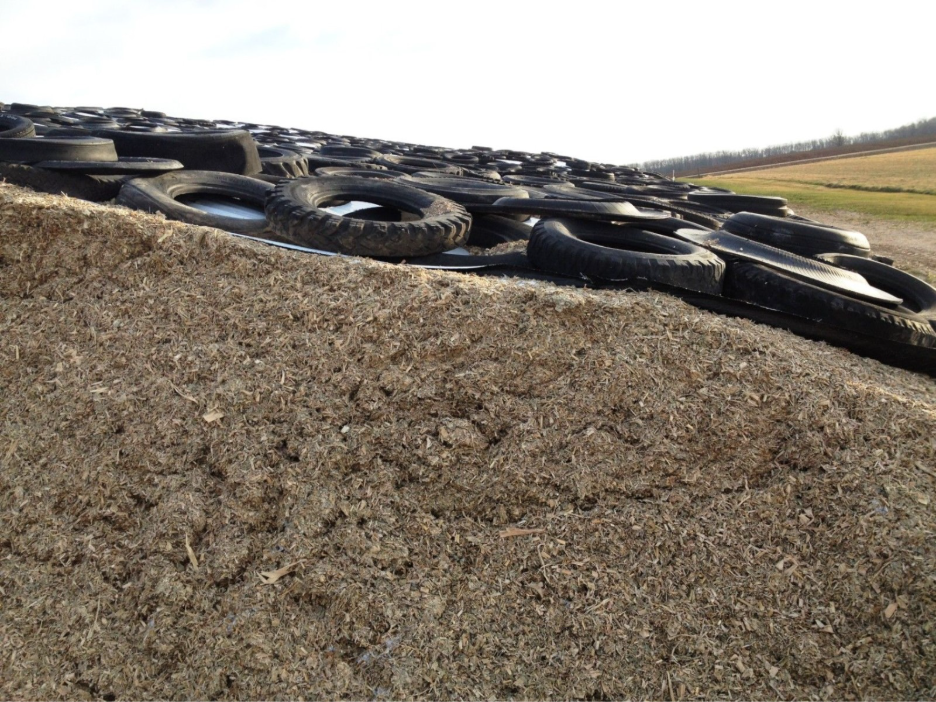
Punctures from Tires, Gravel, Wildlife and Installation Traffic: Bunker operations involve heavy machinery, livestock traffic, rodents and workers walking directly on the plastic. Tires placed for weighting introduce sharp steel belts or degraded rubber edges. Gravel used on cover shoulders or access aprons acts like abrasive sandpaper under wind vibration. Wildlife searching for feed burrow through inferior films. Resisting these hazards requires multi-layer engineered scrim reinforcement rather than standard unreinforced polyethylene.
Seam and Panel Construction: Width limitations during manufacturing mean most large bunker covers require field or factory seaming. Poorly fused seams represent the weakest structural line on any pile. Thermal heat fusion creates homogeneous bonds that withstand mechanical pull forces, whereas inferior adhesive tapes or weak thermal welds separate under wind stress. Prefabricated panels engineered in controlled factory environments significantly reduce field seaming risks.
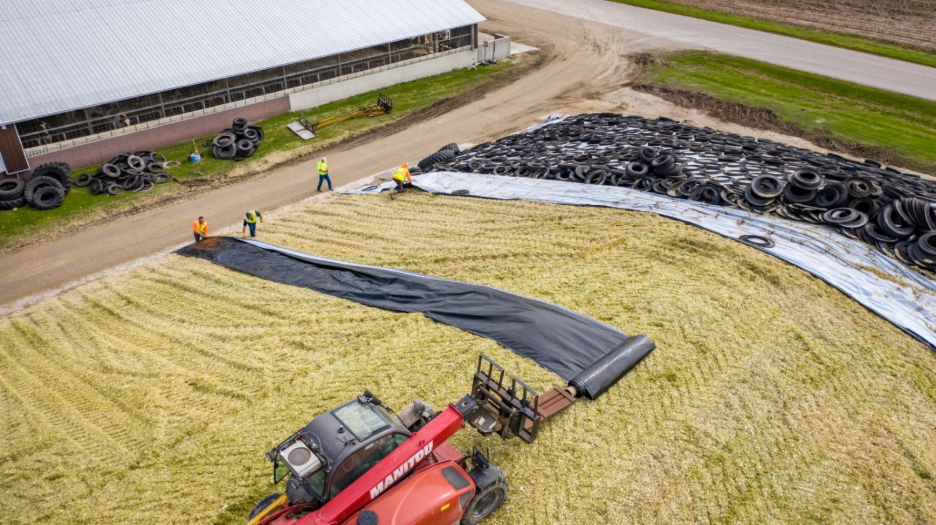
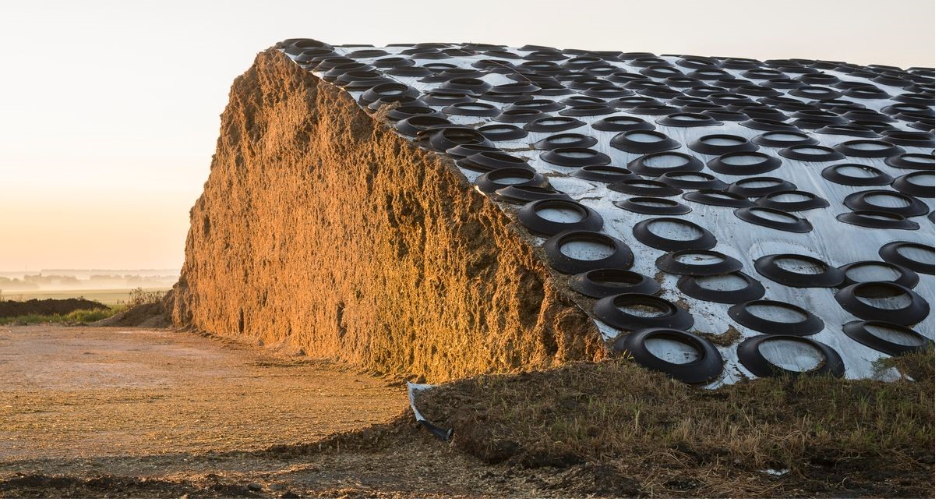
Proper Weighting and Anchoring: Even the strongest agricultural film fails if weighting is sporadic. Secure every square foot by implementing dense tire placement touching edge-to-edge, gravel bag arrays or interlocking side-wall netting. Eliminate gaps between weights to stop wind entry points.
Biochemical Protection: Oxygen Transmission and Surface Spoilage
FeedFresh: Best suited for standard bunker and pile markets requiring reliable baseline protection and straightforward installation where moderate durability and dependable oxygen control are needed.
SealFresh with Dura-Skrim: Best suited for high-performance oxygen barrier requirements combined with demanding Midwest wind and tear exposures. This system pairs ultra-low oxygen transmission films with heavy-duty string-reinforced polyethylene (explore specifications at the Dura-Skrim R-Series Product Page).